Compare Local Contractors for Lazy Susan Replacement Projects
Compare local contractors to define your project scope, verify experience, and set clear expectations for a successful Lazy Susan replacement.
Replacing a Lazy Susan involves more than just swapping out the turntable; it typically includes removing the existing hardware, assessing the cabinet space, and installing a new unit that fits securely and functions smoothly. Contractors often handle tasks such as measuring for proper fit, selecting the right type of Lazy Susan based on the cabinet design, and ensuring the mechanism operates freely. Clear communication about the scope of work helps property owners understand what is included, whether it’s just the replacement or if additional adjustments to the cabinet or hardware are necessary to achieve optimal performance.
Defining the scope of a Lazy Susan replacement project is essential to avoid misunderstandings and ensure the work aligns with expectations. Property owners should specify details such as the size and style of the replacement unit, whether modifications to the existing cabinet are needed, and if any additional features like soft-close mechanisms are desired. Documenting these details in writing provides a reference point for both property owners and contractors, helping to prevent scope creep and ensuring that everyone is aligned on what the project entails from start to finish.
When comparing local contractors for Lazy Susan replacement, it’s important to consider their experience with similar projects, the types of products they recommend, and their approach to installation. Property owners can inquire about the methods used to assess cabinet compatibility, the brands or types of Lazy Susans they typically work with, and how they handle unforeseen issues that may arise during installation. Gathering information on each contractor’s process and verifying their familiarity with the specific requirements of Lazy Susan replacement can help property owners make informed decisions and choose service providers who are well-equipped to handle the scope of the work efficiently.
Compare local contractors by outlining project priorities, verifying experience, and establishing clear scope and expectations.
- Compare Contractor Experience - Review the background and past work of local contractors to ensure they have relevant experience with Lazy Susan replacements.
- Define Project Scope - Clearly outline the specific tasks and materials needed to help contractors understand the job requirements.
- Verify Qualifications - Check that service providers have the necessary skills and knowledge to perform the replacement accurately.
- Document Expectations in Writing - Ensure all project details, including scope and responsibilities, are agreed upon and documented before work begins.
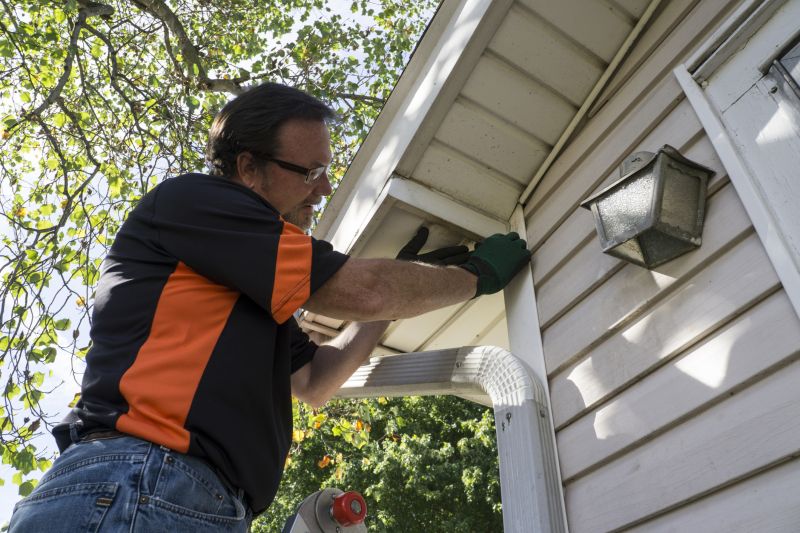
Clearly describe your Lazy Susan replacement project before comparing local contractors to ensure accurate scope, experience, and expectations.
- Verify experience and expertise in Lazy Susan replacement to ensure the contractor understands the specific requirements of the job.
- Compare multiple local contractors to evaluate their scope of work, service offerings, and reputation for similar projects.
- Define the project scope clearly, including the type of Lazy Susan, materials, and any additional customization needed.
- Ensure the contractor provides a detailed written estimate outlining the work to be performed and the materials to be used.
- Check reviews or references to assess the quality of previous Lazy Susan replacement projects completed by the contractor.
- Confirm that the contractor is willing to discuss and agree upon project expectations, deliverables, and responsibilities in writing.
Compare local contractors' experience and clearly define your scope to ensure a successful Lazy Susan replacement.

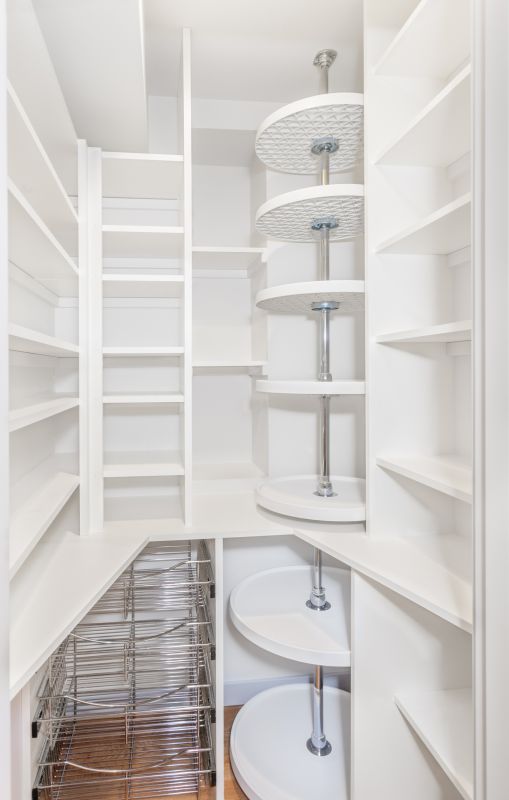


Learn how to compare contractors, define scope, verify experience, and set clear expectations for Lazy Susan replacement projects.
- Define scope of work - specify whether the replacement includes the entire lazy Susan or just the damaged components.
- Verify experience - confirm that local contractors have relevant experience with lazy Susan replacements.
- Check materials and hardware - determine what types of materials and hardware the service providers plan to use.
- Establish project expectations in writing - outline the details of the replacement process, including any preparatory work and finishings.
- Compare service providers - evaluate local contractors based on expertise, scope definitions, and clarity of communication.
When evaluating contractors for Lazy Susan replacement, it’s important to consider their experience with similar projects. Homeowners should inquire about how many Lazy Susan replacements or comparable cabinet hardware installations a contractor has completed. A contractor with a proven track record in handling these specific types of repairs or upgrades is more likely to understand the nuances involved, such as aligning the mechanism properly or ensuring smooth rotation. Verifying a contractor’s familiarity with the particularities of Lazy Susan replacements can help set realistic expectations and reduce the likelihood of issues arising during the project.
A clear, written scope of work is essential when comparing service providers. Homeowners should seek detailed descriptions of what each contractor’s service includes, such as removal of the existing unit, assessment of cabinet structure, installation of the new Lazy Susan, and any adjustments needed for proper operation. Having these details documented helps prevent misunderstandings and provides a basis for evaluating what each contractor will deliver. It also enables homeowners to identify any potential gaps or additional services that might be necessary, ensuring the project’s scope aligns with their expectations.
Verification basics are key to making an informed choice. Homeowners should ask for references or examples of previous Lazy Susan replacements completed by the contractor. Confirming that the contractor has successfully handled similar projects can provide insight into their workmanship and reliability. Additionally, checking for any licensing or insurance requirements, where applicable, can offer further assurance that the service provider maintains professional standards. Gathering this information helps build confidence in the contractor’s ability to perform the work as expected.
When comparing options, it’s helpful to evaluate how each contractor approaches the project beyond just the scope and experience. Consider the clarity of their communication, the thoroughness of their written proposals, and their responsiveness to questions. A detailed, well-organized proposal that addresses all aspects of the project indicates professionalism and attention to detail. Homeowners should also assess whether the contractor demonstrates a good understanding of their specific needs and provides transparent explanations about the process. This approach ensures a smoother working relationship and helps set realistic expectations for the Lazy Susan replacement.
Ask contractors to provide written scope details to ensure clear expectations and consistent project understanding.
- Experience and Specialization - What experience do local contractors have specifically with Lazy Susan replacements?
- Scope of Work - How do contractors define and clarify the scope of the replacement project?
- Materials and Components - What types of materials and hardware do service providers typically use for Lazy Susan replacements?
- Warranty and Guarantees - Do contractors offer any written warranties or guarantees for their work?
- Comparison and Credentials - How can homeowners compare the qualifications and scope of different local service providers?
How can I find qualified contractors for lazy Susan replacement? To find suitable service providers, compare local contractors based on their experience with cabinet hardware and replacement projects, and review their reputation through references or reviews.
What should I look for when choosing a contractor for lazy Susan replacement? Focus on contractors who clearly define the scope of work, have relevant experience, and provide detailed written estimates to ensure expectations are aligned.
How important is experience when hiring a contractor for lazy Susan replacement? Experience with similar projects helps ensure the contractor understands the specific requirements and can deliver quality results, reducing the risk of issues during installation.
What questions should I ask a contractor before hiring for lazy Susan replacement? Inquire about their previous work with cabinet hardware, request references, and ask how they plan to handle the scope and any potential challenges.
Why is it recommended to get written estimates and scope of work? Having a detailed, written scope and estimate helps set clear expectations, prevents misunderstandings, and provides a record of what is agreed upon.
How can I verify a contractor’s experience with lazy Susan replacements? Request examples of past projects, ask about their familiarity with different types of lazy susans, and seek references from previous clients.
Visitors now have a clear understanding of the importance of comparing local contractors when seeking Lazy Susan replacement services. They’ve learned how to define the scope of the project, verify the experience of service providers, and establish clear expectations through written agreements. This approach helps ensure that the process is straightforward and tailored to individual needs, making it easier to find the right professionals for the job.
To get started, visitors are encouraged to use the quote form to compare options available in their area. Connecting with trusted local contractors through this method allows for an informed selection process, helping to identify the service providers best suited to handle the project efficiently and effectively.